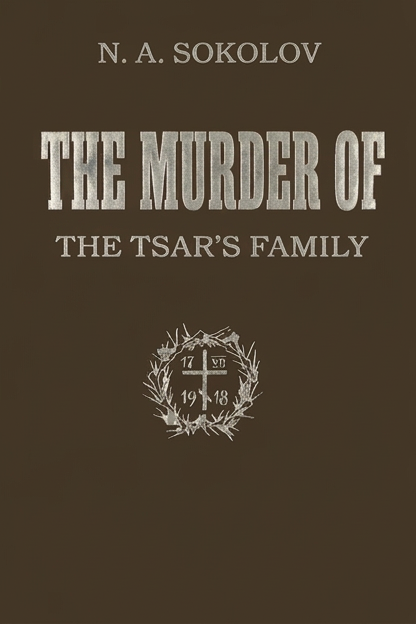
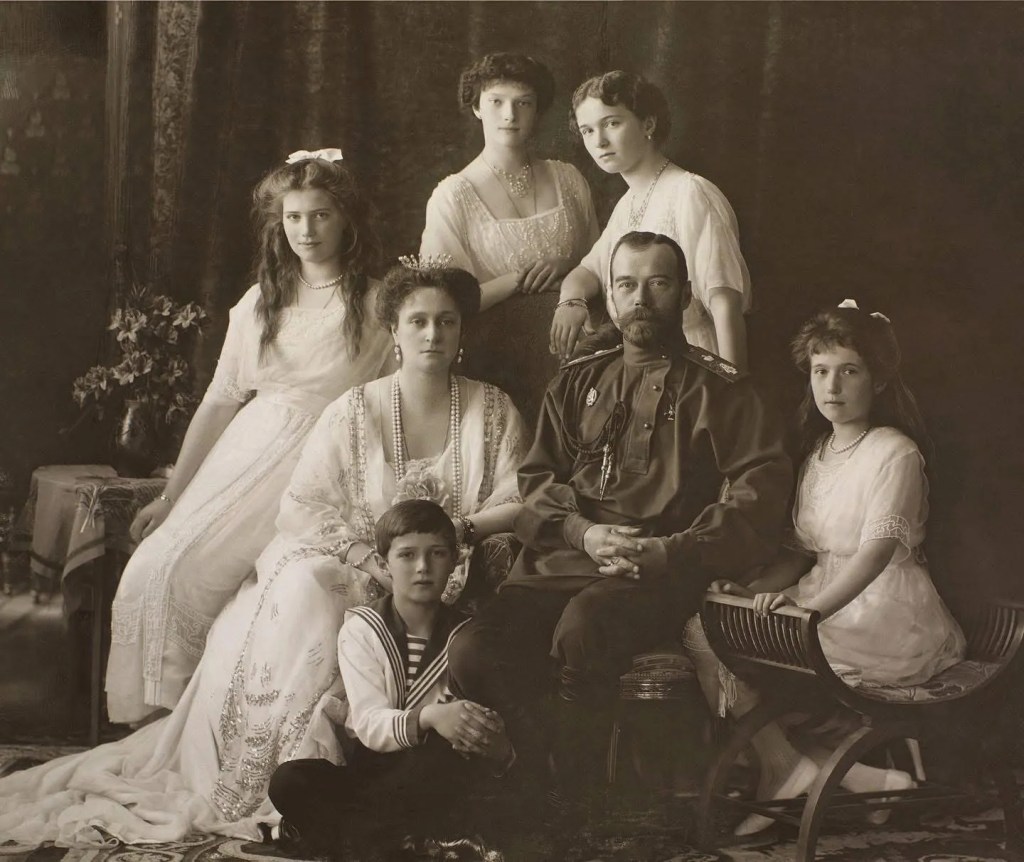
N. A. Sokolov’s book “The Murder of the Tsar’s Family” is widely regarded as the single most important primary source on the 1918 execution of Nicholas II, his wife Alexandra, their five children, and their servants. It established the truth about the events that took place on the night of July 17, 1918 in the Ipatiev House in Yekaterinburg.
N. A. Sokolov (1882–1924), a professional judicial investigator appointed by Admiral Alexander Kolchak in February 1919, conducted the official inquiry into the murder of the Russian Tsar and his family “on hot tracks” in Ekaterinburg and later in emigration.
The investigation compiled eight volumes of case files containing: – hundreds of witness interrogations, physical evidence, expert forensic reports, detailed maps and photographs. Sokolov personally carried the physical relics out of Russia in 1920. Parts of this collection are still kept in the Russian Orthodox Church in Brussels.
Sokolov’s book is not a narrative history but the classic investigative account. It is a compilation of judicial materials: depositions, reports, photos, and his analysis. It emphasizes methodical, law-based reasoning over speculation.
About the author
N. A. Sokolov
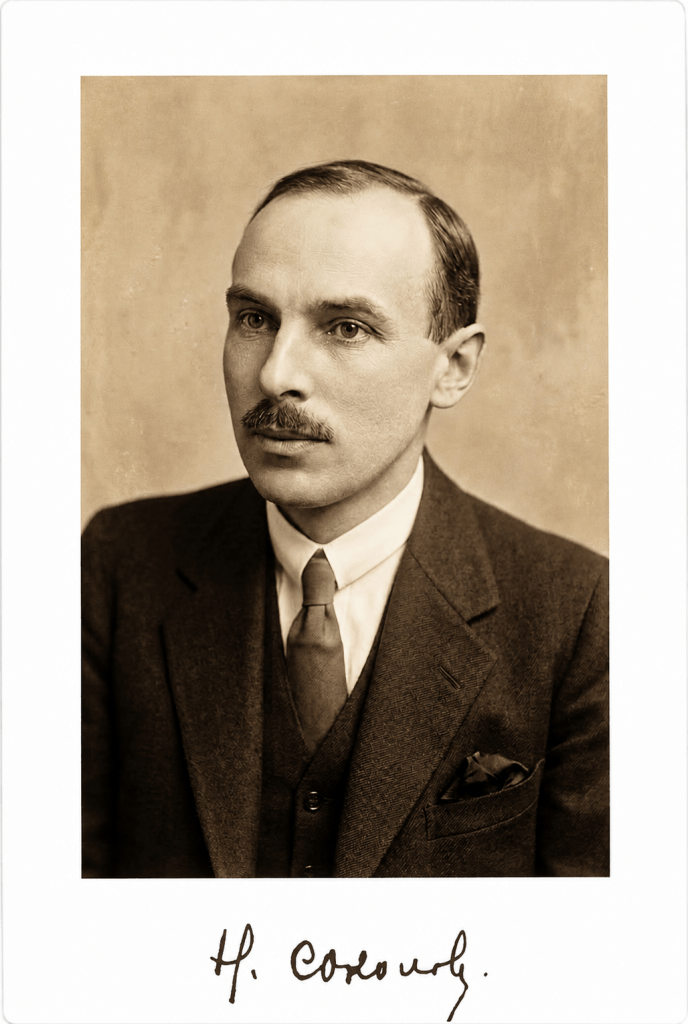
Nikolai Alekseevich Sokolov was born in 1882 in Mokshan, Penza Province. He received his education at the Penza Men’s Gymnasium and then graduated from Kharkov University with a degree in law. His service in the Judicial Department took place mainly in his native Penza Province. Close to the common people by birth, Sokolov served among the peasantry he knew well, whose psychology he understood subtly, having studied it in his fight against the crimes of the peasant world, sometimes full of comical scenes, sometimes turning into dark, heavy, and bloody drama. Through his work and his talents, Sokolov earned a reputation as an outstanding investigator not only among his colleagues, but also among the common people, who knew and loved him. The revolution found him in the position of Judicial Investigator for the most important cases. After the Bolshevik coup, Sokolov disguised himself as a peasant, left Penza, and blended in with the peasantry. He was so close to this world that life in it was to his liking, and, as he often said, he could have stayed there. But duty called. In Siberia, the banner of national struggle against the usurpers of power was rising, and Sokolov made his way there on foot. Hard work awaited him there. He was appointed Judicial Investigator for particularly important cases at the Omsk District Court, and he was soon entrusted with the investigation of the murder of the Tsar’s family. He devoted himself wholeheartedly to this case. Complex and difficult in itself, his task was further complicated by the civil war. A tireless worker, Sokolov continued to unravel the terrible secret of the mine at “Four Brothers” until the very last minute — when the Red scouts were already literally approaching the mine itself. And then—a long and dangerous journey across Siberia to save the investigative material. After the death of Admiral Kolchak, Sokolov made his way to Europe.
Here, a series of disappointments and severe trials awaited him. Alone, unsupported, deeply convinced of the exceptional importance of the truth about the murder of the Tsar and his family, believing that this truth was the property of the future National Russia and that it must be preserved for the Russian people, Sokolov had to fight long and hard to defend this truth from those who tried to use it for their own purposes. Some demanded silence at all costs, because the fact of the Tsar’s death was disadvantageous to them, while others, on the contrary, wanted to use this fact to further their own interests. Nikolai Alekseevich was unshakable in this. “The truth about the Tsar’s death is the truth about Russia’s suffering,” he said, and he protected this truth for future generations, guarding it from all encroachments of political intrigue. He decided to reveal the truth himself, on his own behalf, and not under the banner of any political party. And perhaps the time will come when the Russia of the future will express its profound gratitude to him and honor his memory as a bright, pure fighter for the Truth. Death overtook him in the midst of his work. It was no coincidence that he had gone through such severe trials — his heart had been seriously ill for a long time. Doctors demanded complete rest — both physical and mental. But Nikolai Alekseevich could not rest. He painfully endured his difficult struggle in the bleak circumstances of emigration.
On November 23, Nikolai Alekseevich suddenly died of a ruptured heart in the town of Salbri, France, where he is buried. Above his modest grave in a French village cemetery, his friends placed a cross with the inscription: “Your Truth is Truth forever.” Prince N. Orlov